
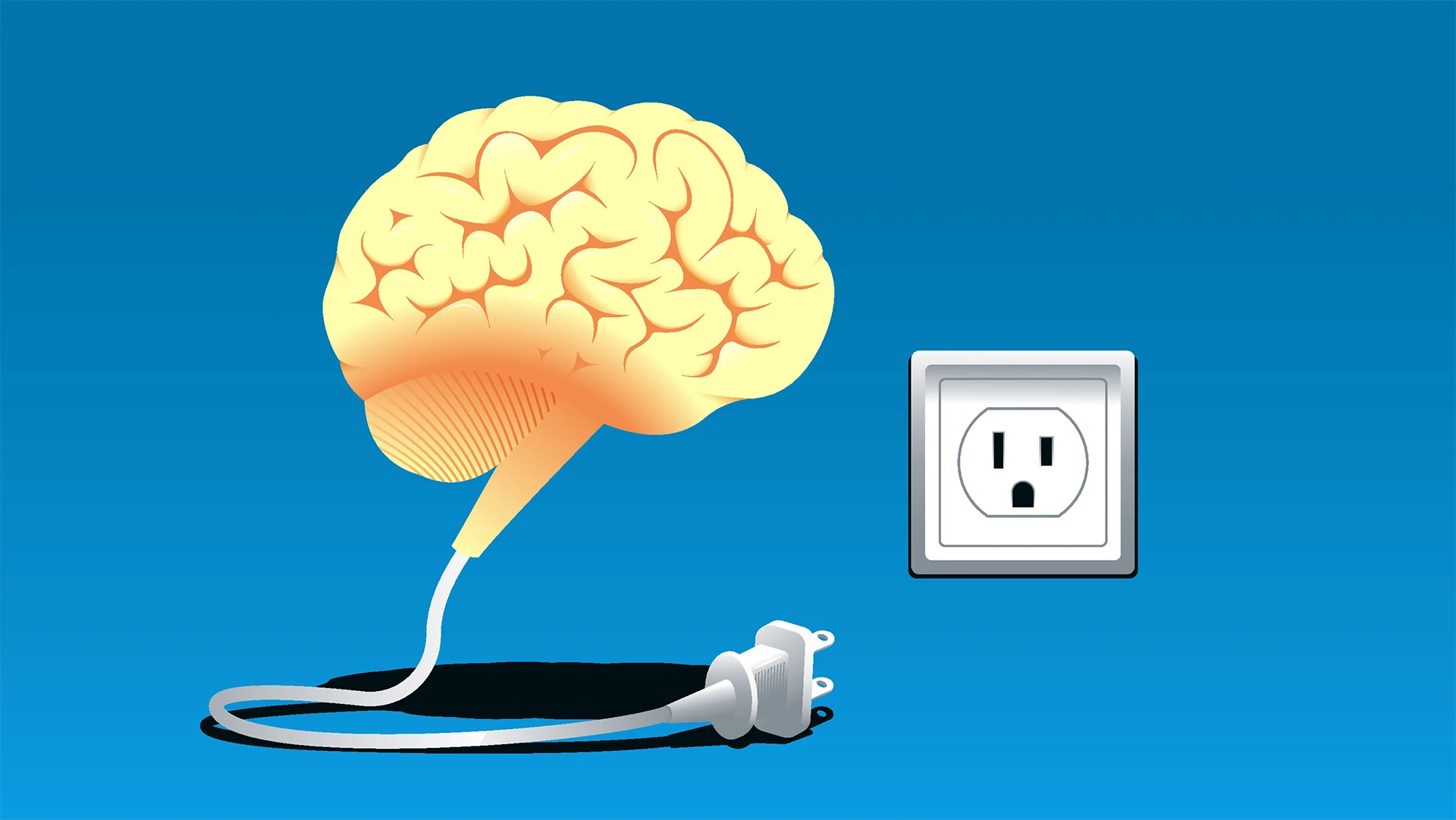
🔌 Your brain is running on empty — and it's not your fault
😴 Why You Feel Tired All the Time
The Real Science of Energy — And 7 Evidence-Based Ways to Fix It
It's 3 PM. Your coffee has worn off. Your eyes are heavy. You have three more hours of work, but your brain feels like it's wading through molasses. You slept eight hours last night. You ate lunch. So why are you exhausted? The answer isn't "you're lazy." It's that everything in modern life is designed to drain your energy — and almost nothing is designed to restore it. Here's what the science actually says about reclaiming your vitality.
🧠 The Energy Crisis Nobody Talks About

Chronic fatigue isn't just "being sleepy." It's a cellular energy crisis. Inside every cell in your body are tiny structures called mitochondria — the power plants that convert food into usable energy. When mitochondria are damaged or underperforming, you don't just feel tired. You feel broken.
Dr. Robert Naviaux, a researcher at UC San Diego, discovered that chronic fatigue syndrome involves a cellular "danger response" — your cells literally go into defensive mode and stop producing energy efficiently. This same mechanism, to a lesser degree, affects millions of people who don't have CFS but still feel perpetually drained.
By the numbers: Over 45% of adults report feeling tired during the day at least 3–4 days per week. Workplace fatigue costs the U.S. economy an estimated $136 billion annually in lost productivity.
☕ The Coffee Trap: Why Caffeine Makes You More Tired
Here's the cruel irony: caffeine doesn't give you energy. It borrows it from tomorrow. Caffeine works by blocking adenosine receptors — adenosine is the chemical that tells your brain you're tired. But adenosine doesn't go away; it keeps building up. When caffeine wears off, all that backed-up adenosine hits you at once. That's the 3 PM crash.
Worse, regular caffeine consumption changes your brain chemistry. Your brain grows more adenosine receptors to compensate, meaning you need more caffeine just to feel normal. After 10 days of daily caffeine, you're not drinking coffee to get ahead — you're drinking it just to get back to baseline.
The fix: Try a "caffeine holiday" for 2 weeks. Replace with green tea (lower caffeine + L-theanine for calm focus). Most people report more stable energy within 10 days.
😴 Sleep: You're Probably Doing It Wrong
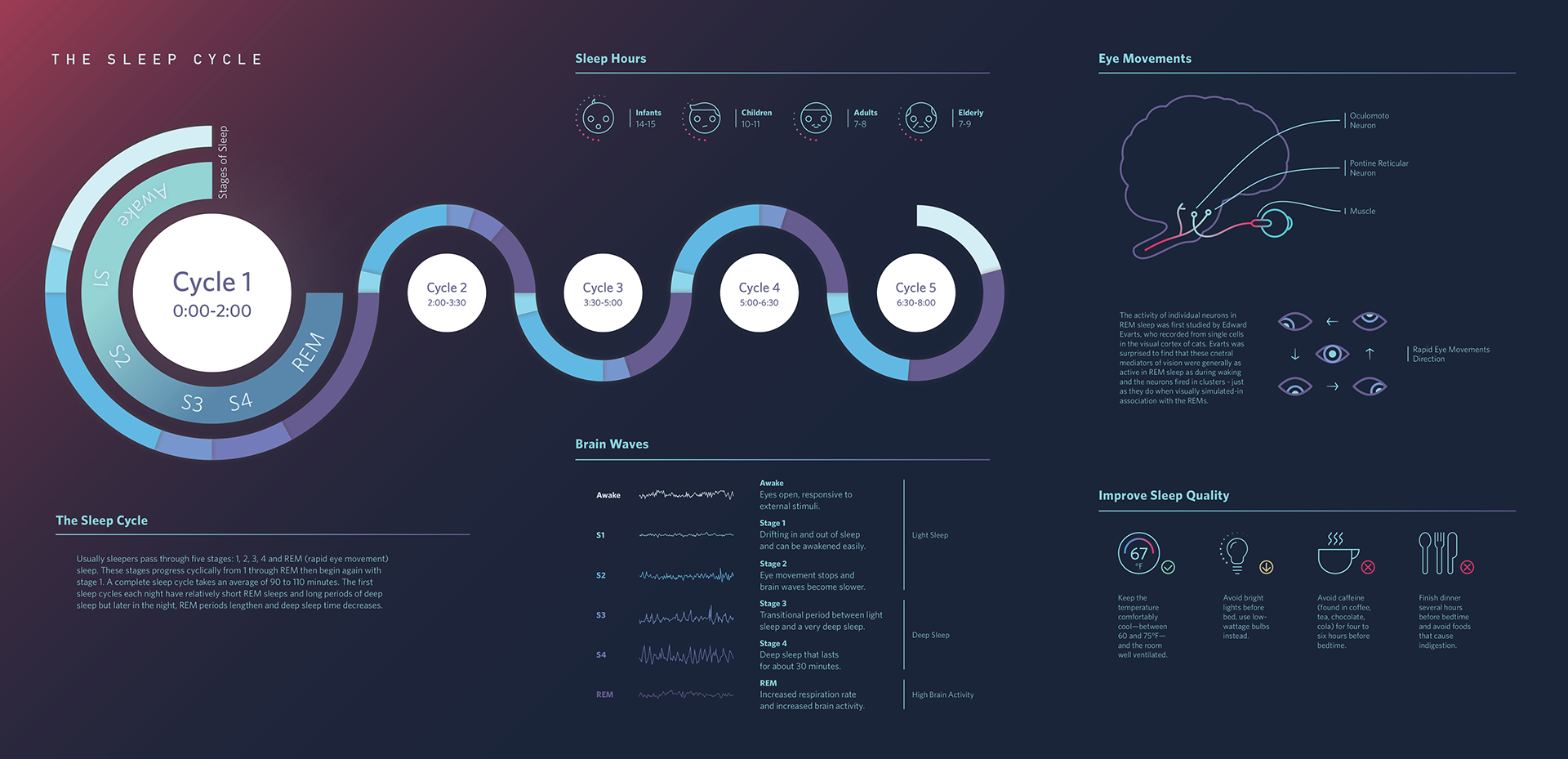
You might be in bed for 8 hours, but sleep quality matters more than sleep quantity. Your sleep cycles through stages: light sleep, deep sleep (where physical restoration happens), and REM sleep (where mental restoration happens). If you're waking up groggy, you're likely interrupting these cycles.
The biggest sleep killers:
- Blue light from phones suppresses melatonin by up to 50%
- Alcohol fragments sleep — you fall asleep faster but wake up more
- Inconsistent bedtimes confuse your circadian rhythm
- Room temperature above 68°F (20°C) reduces deep sleep quality
Pro tip: Wake up at the same time every day — even weekends. Consistency trains your body's internal clock more effectively than any sleep app.
🍎 Food as Fuel: What Actually Gives You Energy

Most "energy foods" do the opposite. Sugar and refined carbs spike blood glucose, triggering an insulin surge that crashes your energy 90 minutes later. This rollercoaster leaves you craving more sugar — not because you're weak, but because your brain is literally screaming for fuel.
Real energy foods stabilize blood sugar and support mitochondrial function:
- Leafy greens — magnesium is essential for ATP (cellular energy) production
- Salmon & sardines — omega-3s reduce brain inflammation linked to fatigue
- Eggs — choline supports the neurotransmitters that keep you alert
- Nuts & seeds — healthy fats provide sustained energy without the crash
- Berries — antioxidants protect mitochondria from oxidative damage
💧 Dehydration: The Silent Energy Thief

Even mild dehydration — just 1–2% of body weight — impairs cognitive function, mood, and energy levels. Your brain is 75% water. When it's even slightly dehydrated, neurons fire less efficiently, neurotransmitter production drops, and you feel foggy and fatigued.
The problem? Most people don't feel thirsty until they're already 1–2% dehydrated. By then, the damage is done. And coffee, tea, and energy drinks — while liquid — are mild diuretics that can worsen dehydration.
Simple rule: Drink a large glass of water (500ml) within 30 minutes of waking. You've just gone 8 hours without water — your brain is parched.
🏃 Movement: The Counterintuitive Energy Source

It sounds backwards: expend energy to gain energy. But exercise is one of the most powerful fatigue-fighters known to science. A single 20-minute brisk walk increases energy levels by 20% and reduces fatigue by 65% — more effectively than a sugar snack.
Why? Exercise triggers mitochondrial biogenesis — your cells literally build more power plants. It also increases BDNF (brain-derived neurotrophic factor), a protein that acts like fertilizer for your brain, improving focus, mood, and mental clarity.
You don't need a gym membership. Research shows that "exercise snacks" — 2-minute bursts of intense movement every hour — are remarkably effective at maintaining energy throughout the workday.
⚡ 7 Evidence-Based Ways to Boost Your Energy Today

1. 🌅 Get Morning Sunlight (10 Minutes)
Sunlight within 30 minutes of waking resets your circadian clock and boosts cortisol — your body's natural wake-up hormone. No sunglasses; let the light hit your retinas directly.
2. 🍳 Eat Protein for Breakfast
Eggs, Greek yogurt, or nuts stabilize blood sugar and prevent the mid-morning crash. Skip the sugary cereal — it's an energy loan with 200% interest.
3. 💧 Drink Water Before Coffee
Your body wakes up dehydrated. Water first, then coffee 90 minutes later. You'll need less caffeine and feel more alert.
4. 🚶 Take a 10-Minute Walk After Lunch
Post-meal walks improve insulin sensitivity and prevent the dreaded "food coma." Even walking in place helps.
5. 😴 Take a 20-Minute Power Nap
NASA found that a 26-minute nap improves performance by 34%. Set an alarm — longer naps cause sleep inertia (grogginess).
6. 📵 Stop Scrolling 2 Hours Before Bed
Blue light + dopamine = a brain that won't shut down. Read a physical book instead. Your sleep quality will transform within a week.
7. 🧘 Practice Box Breathing (2 Minutes)
Inhale 4 seconds, hold 4, exhale 4, hold 4. Used by Navy SEALs to reduce stress instantly. Lowers cortisol and re-oxygenates your brain.
💡 The Bottom Line
Fatigue isn't a character flaw — it's a biological signal that something in your system needs attention. You don't need more willpower. You need better mitochondria, deeper sleep, smarter nutrition, and less caffeine dependency. Start with just one of the seven fixes above. Your future, more energetic self will thank you.
⚡ WORLD NWS — Empowering you with science-backed insights for a better life.
If this article helped you, share it with someone who needs an energy boost.
Published: September 3, 2026 | Reading time: 7 minutes
Comments