
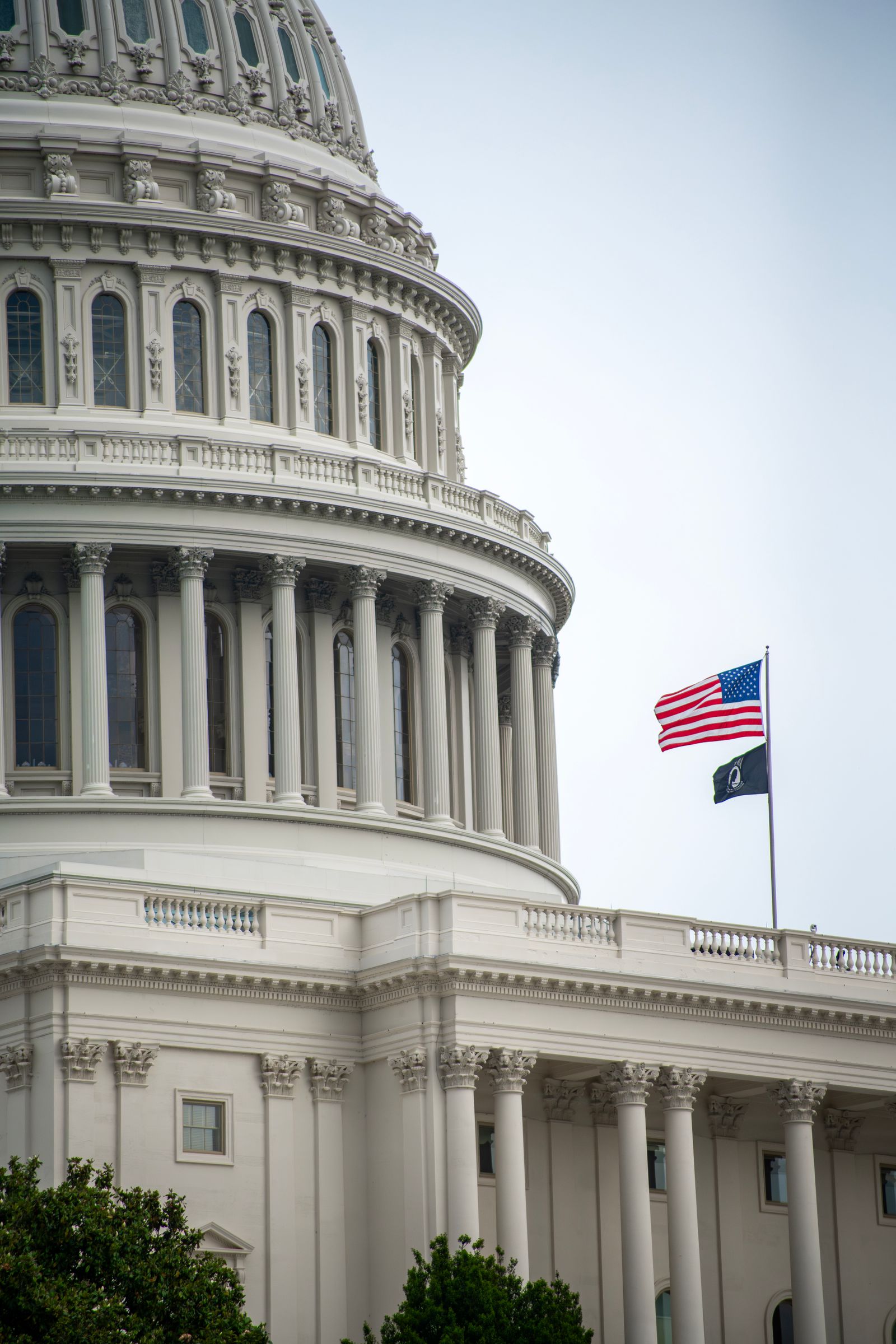
🇺🇸 The U.S. Capitol — where policy meets the people
🇺🇸 This Week's Top Stories from the United States
A fact-based roundup of the most notable developments shaping the nation — Week of September 1, 2026
From a historic oil agreement with Venezuela to escalating tensions in the Middle East and major court rulings at home, the U.S. political and economic landscape saw significant shifts this week. Here's a clear, verified look at what actually happened.
🛢️ Historic U.S.-Venezuela Oil Deal Signed

President Trump announced what he called "the biggest oil deal in world history" — an agreement granting the United States majority control over more than 65 billion barrels of Venezuela's proven oil reserves. The deal, negotiated by Secretary of State Marco Rubio and Defense Secretary Pete Hegseth, gives the U.S. a 35% equity stake in a new private Venezuelan oil company and the right to purchase 20% of production at cost.
Venezuela's interim President Delcy Rodríguez hailed the 25-year agreement as a path to economic revival, projecting over $100 billion in investment and more than $209 billion in taxes for Caracas. However, energy experts remain skeptical about how quickly production can scale, given Venezuela's aging infrastructure and political uncertainty.
The agreement represents a dramatic reversal of U.S. policy toward Venezuela, which had been characterized by sanctions and isolation since 2019. If successfully implemented, the deal could reshape global energy markets by adding a significant new source of non-OPEC production at a time when Middle Eastern supplies remain disrupted.
Context: The deal follows the U.S. capture of former Venezuelan President Nicolás Maduro in January 2026 and comes as the Iran war has disrupted oil shipments through the Strait of Hormuz, pushing U.S. gas prices to roughly $4.09 per gallon.
⚖️ Federal Court Blocks USPS Mail Voting Restrictions

A federal court issued a preliminary injunction blocking the U.S. Postal Service from implementing President Trump's executive order restricting mail-in voting ahead of the November 3 midterm elections. The court ruled that "the executive branch has no authority to regulate elections" and recognized the order was causing "irreparable harm" to voters.
The ruling, brought by voting rights groups including the League of Women Voters, blocks the USPS from enforcing the order in any federal election. The Trump administration has filed an emergency request with the Supreme Court to overturn the injunction — a request that remains pending.
Legal scholars note that the case touches on fundamental constitutional questions about the separation of powers. Article I, Section 4 of the Constitution grants states primary authority over election administration, while Congress retains the power to regulate federal elections. The court's ruling emphasizes that the executive branch cannot unilaterally override these established frameworks.
💥 U.S. Expands Airstrikes on Iran Amid Strait Crisis

The United States carried out additional airstrikes against Iran's Islamic Revolutionary Guard Corps (IRGC), targeting radar systems and oil tankers owned by Iran's National Oil Company. The strikes mark the 12th consecutive night of U.S. operations since fighting resumed, with President Trump warning of an even larger attack in the works.

Defense Secretary Pete Hegseth also announced the extension of approximately 50,000 American troop deployments in West Asia — including warship crews and air defense units — through 2027. The conflict has severely disrupted commercial shipping through the Strait of Hormuz, through which roughly 20% of the world's oil previously flowed.
International shipping insurers have now classified the Strait of Hormuz as a "war zone," causing freight rates to triple and forcing many Asian importers to seek alternative suppliers from West Africa and Latin America. The Pentagon estimates that restoring full commercial traffic through the strait could take months even after hostilities cease.
🍁 Canada Prepares Counter-Tariffs on U.S. Goods
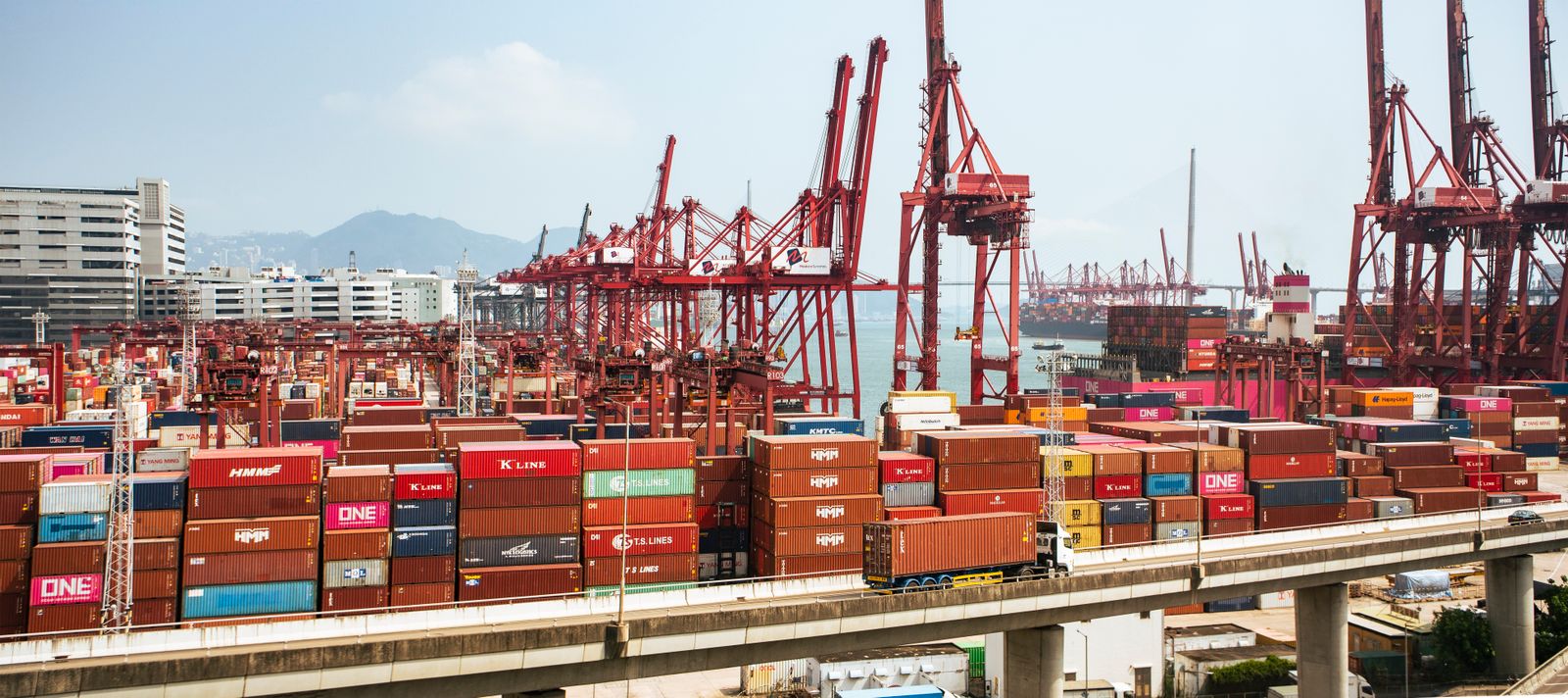
Trade tensions between the U.S. and Canada escalated further as Ottawa published a list of American products subject to retaliatory tariffs of 15%, 25%, and 50%, set to take effect on September 8, 2026. The measures target approximately CA$27.6 billion worth of U.S. imports, including steel, dairy, appliances, and electronics.
Canadian Prime Minister Mark Carney stated, "You're at war when you get attacked. We got attacked," after the U.S. imposed 50% tariffs on roughly $20 billion of Canadian goods. The move follows the collapse of bilateral trade negotiations and marks a deepening of the year-long trade conflict between the neighboring countries.
Economists on both sides of the border warn that the escalating tariff war could shave up to 0.8% off combined North American GDP growth in 2026. Major U.S. exporters, particularly in the agricultural and automotive sectors, have already reported canceled orders and are lobbying Congress for emergency relief measures.
🤖 Nvidia Acquires AI Platform Hugging Face for $12.9 Billion
In a landmark deal for the artificial intelligence industry, chipmaking giant Nvidia agreed to acquire Hugging Face, one of the world's most popular open-source AI platforms, in a transaction valued at $12.9 billion. The acquisition signals Nvidia's aggressive push to dominate not just AI hardware but the software ecosystem powering the technology.

Hugging Face hosts hundreds of thousands of pre-trained AI models used by developers worldwide. The deal is expected to face regulatory scrutiny given Nvidia's already dominant position in the AI chip market. European and U.S. antitrust regulators have both indicated they will conduct extended reviews of the transaction.
Industry analysts describe the acquisition as a "vertical integration play" that would give Nvidia control over both the chips that train AI models and the platforms that distribute them. Competitors including AMD, Intel, and Google have reportedly formed a coalition to oppose the deal on antitrust grounds.
⚖️ Judge Blocks Trump's Birthright Citizenship Order

Federal Judge Deborah Boardman of Maryland blocked the Trump administration's executive order aimed at ending birthright citizenship in the United States. The ruling prevents the administration from implementing the policy while legal challenges proceed through the courts.
The executive order had sought to deny automatic citizenship to children born on U.S. soil to non-citizen parents — a reinterpretation of the 14th Amendment that drew immediate legal challenges from multiple states and civil rights organizations. The 14th Amendment, ratified in 1868, has been consistently interpreted by the Supreme Court since 1898 as granting citizenship to virtually all persons born on U.S. territory.
Constitutional law professor Laurence Tribe of Harvard Law School called the ruling "a textbook example of judicial restraint in the face of executive overreach." The case is expected to reach the Supreme Court, where it will test the boundaries of presidential authority versus constitutional text.
🔫 Minneapolis Shooting Leaves Three Dead

A gunman killed two people and injured several others, including two police officers, in a mass shooting at Loring Park, Minneapolis, on September 2. The perpetrator was also killed during the incident. The shooting prompted renewed debate over gun violence and public safety measures in major U.S. cities.
Minneapolis Mayor Jacob Frey ordered flags lowered to half-staff and announced a community vigil scheduled for September 5. The incident marks the 42nd mass shooting in the United States in 2026, according to data from the Gun Violence Archive, reigniting calls for federal assault weapons legislation.
🍎 Apple CEO Transition: John Ternus Takes the Helm
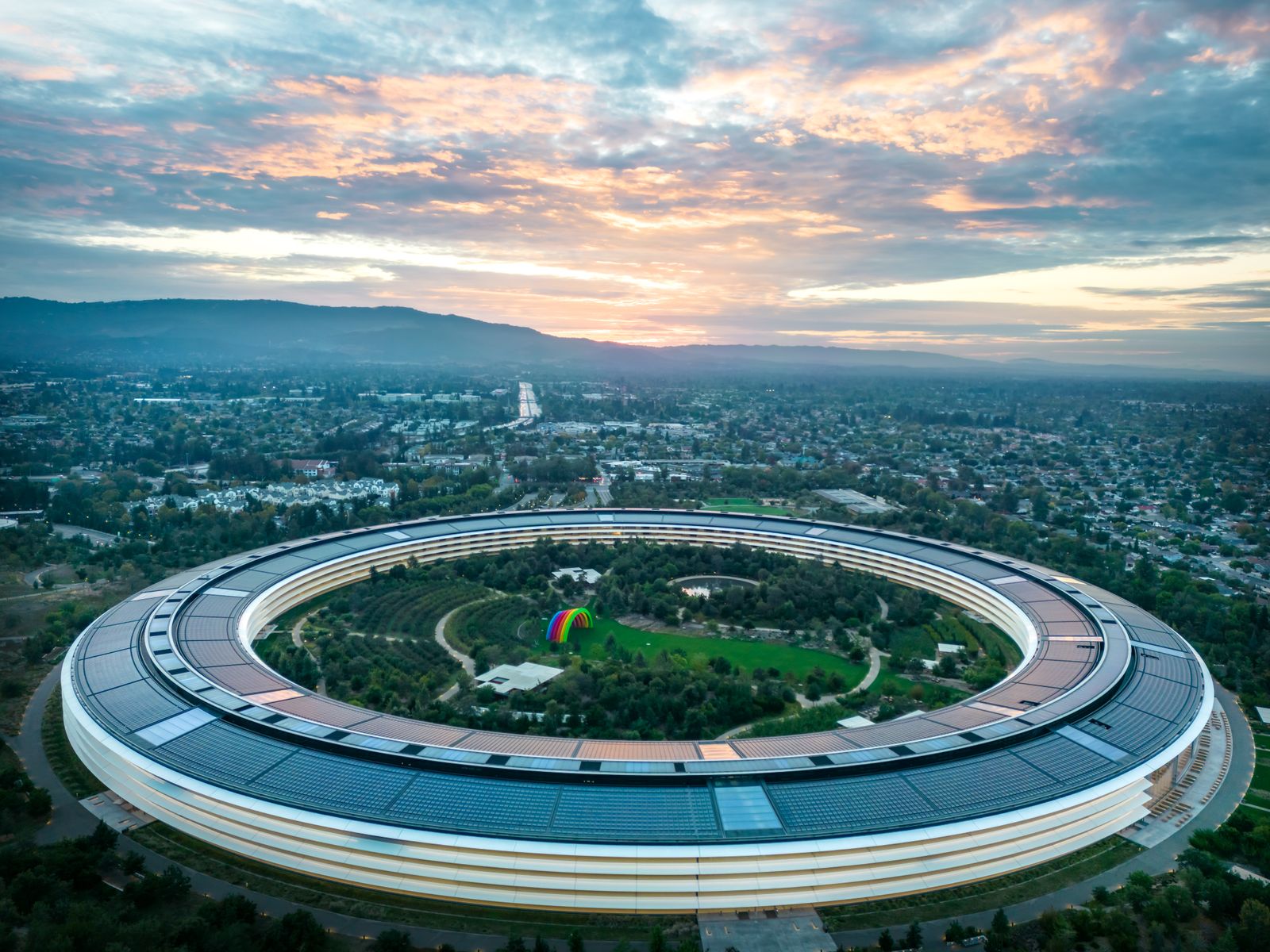
John Ternus officially became Apple's new CEO on September 1, 2026, succeeding Tim Cook, who stepped down to become Executive Director. Ternus, previously Apple's Senior Vice President of Hardware Engineering, takes leadership of the world's most valuable company during a pivotal period for the tech giant.
Ternus joined Apple in 2001 and has been instrumental in nearly every major hardware release since the iPod era, including the transition to Apple Silicon chips. Analysts expect his leadership to prioritize hardware innovation, particularly in augmented reality devices and next-generation chip architectures, while maintaining Cook's operational excellence.
Wall Street reacted cautiously to the transition, with Apple shares dipping 2.3% in after-hours trading before recovering. Investors are particularly focused on whether Ternus can reignite revenue growth in China, where Apple has faced increasing competition from domestic brands like Huawei and Xiaomi.
📰 WORLD NWS — Committed to accurate, verified journalism.
This roundup is based on confirmed reports from official statements, court filings, and reputable news sources.
Last Updated: September 3, 2026
Comments