
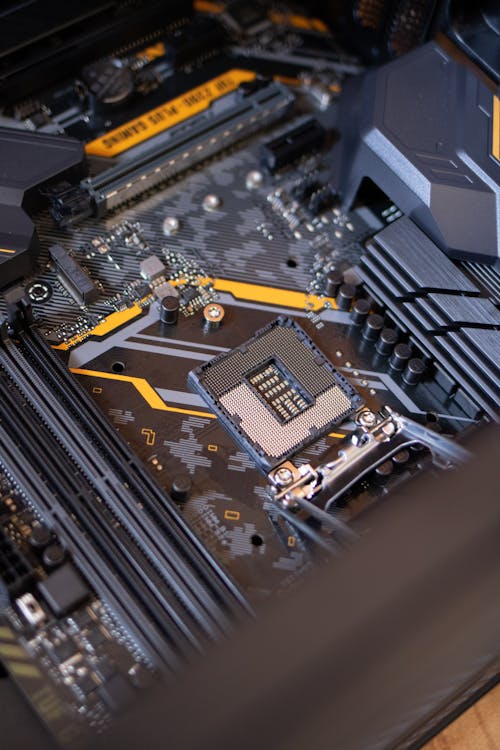
📷 Image by Pexels — Free for commercial use, no attribution required
⚙️ Reverse Engineering
& Data Analysis
The Complete Guide to Deconstructing Systems, Extracting Knowledge, and Transforming Raw Data into Actionable Intelligence
In the modern digital age, two disciplines have emerged as the cornerstone of technological innovation and competitive intelligence: Reverse Engineering and Data Analysis. These interconnected fields empower organizations, researchers, and security professionals to understand complex systems, uncover hidden vulnerabilities, extract meaningful insights from vast datasets, and drive informed decision-making. From dissecting proprietary software to analyzing consumer behavior patterns worth billions of dollars, these methodologies have become indispensable tools in virtually every industry on Earth.
🔧 PART I: Understanding Reverse Engineering
📖 Chapter 1: What is Reverse Engineering?
Reverse engineering, also known as back engineering or retro-engineering, is the systematic process of analyzing a finished product, system, or component to deduce its design, architecture, functionality, and manufacturing methods. Unlike traditional engineering, which proceeds from design specifications to finished product, reverse engineering works backward — starting with the end result and working toward understanding how it was created.
The concept is not new. Throughout history, craftsmen and inventors have disassembled objects to understand their inner workings. However, the modern formalization of reverse engineering emerged during World War II when Allied forces captured German military equipment and systematically analyzed it to understand German technological capabilities. This practice proved so valuable that it became a standard military intelligence procedure.
In the contemporary context, reverse engineering encompasses a vast spectrum of applications. In software engineering, it involves analyzing compiled binary code to understand program logic, data structures, and algorithms. In mechanical engineering, it utilizes 3D scanning technologies like laser scanning and structured light scanning to create digital models of physical objects. In electronics, engineers use oscilloscopes, logic analyzers, and X-ray imaging to map circuit boards and integrated circuits.
The legal landscape surrounding reverse engineering is complex and varies significantly by jurisdiction. In the United States, the Digital Millennium Copyright Act (DMCA) of 1998 contains provisions that, under certain circumstances, permit reverse engineering for interoperability purposes. The European Union Software Directive (91/250/EEC) similarly allows reverse engineering to achieve interoperability, provided the information is not already readily available. However, these legal protections do not extend to circumventing copy protection or accessing trade secrets, making the ethical and legal boundaries of reverse engineering a subject of ongoing debate and litigation.
💡 Definition: According to the Institute of Electrical and Electronics Engineers (IEEE), reverse engineering is defined as "the process of analyzing a subject system to create representations of the system at a higher level of abstraction." This definition emphasizes that reverse engineering is not merely about copying — it is about understanding and abstracting knowledge from existing implementations.
🏛️ Chapter 2: Historical Evolution of Reverse Engineering
The origins of reverse engineering can be traced back to ancient civilizations. Archaeological evidence suggests that ancient Roman engineers frequently examined Greek technologies and architectural designs, reverse-engineering construction techniques to build their own aqueducts, roads, and buildings. The famous Antikythera mechanism, discovered in 1901 in a shipwreck off the Greek island of Antikythera, is an ancient analog computer dating to approximately 100–200 BCE. For decades, scientists used reverse engineering principles to understand its complex gear system, which was capable of predicting astronomical positions and eclipses — a technological marvel far ahead of its time.
During the Industrial Revolution of the 18th and 19th centuries, reverse engineering became a systematic practice. British textile machinery was secretly examined and reproduced in other European countries and the United States. Samuel Slater, often called the "Father of the American Industrial Revolution," memorized the designs of British textile mills and reproduced them in America in 1789, effectively transferring critical industrial technology across the Atlantic.
The Cold War era (1947–1991) represented a golden age of reverse engineering. Both the United States and the Soviet Union invested billions of dollars in analyzing each other's military technology. The Soviet Union's acquisition of an American B-29 Superfortress bomber in 1944 led to the rapid development of the Tupolev Tu-4, an exact copy that entered service in 1949. Similarly, American intelligence agencies systematically reverse-engineered Soviet MiG fighter jets, radar systems, and missile technologies to develop countermeasures and superior systems.
The digital revolution of the late 20th century transformed reverse engineering into a predominantly software-focused discipline. The proliferation of personal computers, the internet, and digital media created new challenges and opportunities. Software reverse engineering tools like IDA Pro (first released in 1996), Ghidra (developed by the NSA and released publicly in 2019), and Radare2 became essential tools for security researchers, malware analysts, and software developers.
The Stuxnet worm, discovered in 2010, stands as one of the most significant examples of reverse engineering in cybersecurity history. Security researchers from companies like Symantec and Kaspersky Lab spent months reverse-engineering the complex malware, uncovering that it was a sophisticated cyberweapon designed to target Iranian nuclear centrifuges. This discovery demonstrated how reverse engineering could reveal state-sponsored cyber operations and changed the global understanding of cyber warfare.

📷 Image by Pexels — Free for commercial use
⚙️ Chapter 3: Types and Methodologies of Reverse Engineering
Reverse engineering is not a monolithic process; it encompasses multiple distinct methodologies, each tailored to specific domains and objectives. Understanding these different types is essential for practitioners seeking to apply reverse engineering effectively in their respective fields.
1. Software Reverse Engineering: This is perhaps the most widely practiced form of reverse engineering in the modern era. It involves analyzing compiled executable files (binaries) to understand their source code logic, algorithms, data structures, and control flow. Software reverse engineers use disassemblers to convert machine code into assembly language, and decompilers to attempt reconstruction of higher-level programming languages like C or C++. Common file formats analyzed include PE (Portable Executable) files on Windows, ELF (Executable and Linkable Format) files on Linux, and Mach-O files on macOS. The process often begins with static analysis — examining the binary without executing it — followed by dynamic analysis, where the program is run in a controlled environment (sandbox) while its behavior is monitored using debuggers like OllyDbg, x64dbg, or GDB.
2. Hardware Reverse Engineering: This discipline focuses on understanding electronic circuits, integrated circuits (ICs), and physical devices. Techniques include decapsulation — removing the protective packaging from chips to expose the silicon die — followed by microscopic imaging using scanning electron microscopes (SEM). Engineers may use focused ion beam (FIB) systems to cut into chips and examine internal layers. Side-channel analysis, which measures power consumption, electromagnetic emissions, and timing characteristics, can reveal cryptographic keys and internal operations without physical intrusion. In 2018, researchers at the University of Cambridge demonstrated that they could extract secret keys from smart cards by analyzing power consumption patterns — a technique known as Differential Power Analysis (DPA).
3. Mechanical Reverse Engineering: This involves creating digital models of physical objects through 3D scanning and measurement. Technologies include Coordinate Measuring Machines (CMM), which use probes to precisely measure object dimensions; laser scanners, which capture millions of surface points to create point clouds; and Computed Tomography (CT) scanning, which can capture internal geometries without disassembly. The resulting data is processed using CAD software like SolidWorks, AutoCAD, or CATIA to create parametric models. This methodology is widely used in automotive, aerospace, and medical device industries for legacy part reproduction, competitive product analysis, and quality control.
4. Network Protocol Reverse Engineering: When proprietary network protocols are used — common in industrial control systems, gaming, and legacy software — engineers must analyze network traffic to understand communication patterns, message formats, and state machines. Tools like Wireshark, Burp Suite, and custom fuzzers are employed to capture, analyze, and manipulate network packets. This type of reverse engineering is critical for developing compatible third-party software, security auditing, and penetration testing.
5. Biological Reverse Engineering: An emerging interdisciplinary field, biological reverse engineering attempts to understand biological systems by treating them as engineered machines. Synthetic biologists reverse-engineer genetic circuits, metabolic pathways, and cellular signaling networks to design new biological functions. The Human Genome Project, completed in 2003, can be viewed as the largest reverse engineering project in history — decoding the 3 billion base pairs of human DNA to understand the "source code" of human biology.
🛠️ Chapter 4: Essential Tools and Technologies
The reverse engineering toolkit has evolved dramatically over the past three decades. Modern practitioners have access to an unprecedented array of sophisticated tools that make the process faster, more accurate, and more accessible.
💻 Software Reverse Engineering Tools
- IDA Pro: The industry-standard disassembler and debugger, supporting over 50 processor architectures. Used by malware analysts, security researchers, and government agencies worldwide.
- Ghidra: NSA's open-source software reverse engineering suite, released in 2019. It includes disassembly, decompilation, and scripting capabilities — completely free.
- Radare2: A powerful open-source reverse engineering framework popular in the cybersecurity community for its flexibility and command-line interface.
- Binary Ninja: A modern binary analysis platform with an intuitive interface and powerful intermediate language (IL) for cross-architecture analysis.
- x64dbg / OllyDbg: User-mode debuggers for Windows that allow step-by-step execution, breakpoint setting, and memory inspection.
- dnSpy / ILSpy: Specialized tools for reverse engineering .NET applications by decompiling Intermediate Language (IL) code back to C#.
🔩 Hardware Reverse Engineering Tools
- Scanning Electron Microscope (SEM): Provides nanometer-resolution imaging of chip surfaces, revealing transistor-level details.
- Focused Ion Beam (FIB): Allows precise cutting and deposition on chips at the nanoscale, enabling circuit editing and probing.
- Logic Analyzers: Capture and display digital signals from multiple channels simultaneously, essential for understanding digital circuit timing.
- Oscilloscopes: Measure voltage changes over time, revealing analog behavior and signal integrity issues.
- JTAG Debuggers: Use the IEEE 1149.1 standard to access internal chip states for debugging and firmware extraction.
- 3D Scanners (CMM / Laser): Create precise digital models of physical components for CAD reconstruction.
🌐 Chapter 5: Real-World Applications and Case Studies
Reverse engineering impacts virtually every sector of the global economy. Its applications range from ensuring software security to preserving historical artifacts and advancing medical technology.
Cybersecurity and Malware Analysis: The cybersecurity industry relies heavily on reverse engineering to understand and combat malware. When a new ransomware strain like WannaCry (2017) or NotPetya (2017) emerges, security researchers immediately begin reverse engineering the code to understand its propagation mechanisms, encryption algorithms, and command-and-control infrastructure. This analysis enables the development of decryption tools, network signatures for detection, and patches for exploited vulnerabilities. The WannaCry attack, which affected over 200,000 computers across 150 countries, was ultimately stopped when researcher Marcus Hutchins reverse-engineered the malware and discovered a "kill switch" domain that halted its spread.
Competitive Intelligence: Companies routinely reverse-engineer competitors' products to understand technological advantages, cost structures, and manufacturing processes. In the smartphone industry, teardowns by firms like iFixit and TechInsights provide detailed component lists, cost estimates, and design analyses within days of a new product launch. These teardowns reveal which suppliers a company uses, what custom chips they've developed, and how they've optimized their designs. This intelligence influences R&D strategies, patent filings, and supply chain decisions across the technology industry.
Legacy System Maintenance: Many critical systems in banking, government, and infrastructure run on software written decades ago with lost or obsolete documentation. Reverse engineering is often the only way to maintain, update, or migrate these systems. The Y2K bug remediation effort in the late 1990s involved massive reverse engineering projects as organizations scrambled to understand and fix date-handling code in legacy COBOL systems. Similarly, the U.S. Air Force's B-52 Stratofortress bombers, first introduced in 1952 and expected to remain in service until the 2050s, require continuous reverse engineering of aging avionics and mechanical systems to manufacture replacement parts.
Interoperability: Reverse engineering enables compatibility between proprietary systems. The Samba project, which allows Linux systems to communicate with Windows networks, was developed through extensive reverse engineering of Microsoft's SMB protocol. The Wine project enables Windows applications to run on Linux and macOS by reverse-engineering the Windows API. These projects demonstrate how reverse engineering can break down proprietary barriers and foster open interoperability.
Medical Device Innovation: In the medical field, reverse engineering is used to create custom prosthetics, implants, and surgical guides. By 3D scanning a patient's anatomy and reverse-engineering the geometry, medical device manufacturers can produce patient-specific implants that fit perfectly. The U.S. Food and Drug Administration (FDA) has established guidelines for reverse engineering in medical device manufacturing, recognizing its value for innovation while ensuring safety standards are maintained.

📷 Image by Pexels — Free for commercial use
📊 PART II: The World of Data Analysis
📖 Chapter 6: Foundations of Data Analysis
Data analysis is the systematic computational examination of data to discover meaningful patterns, extract actionable insights, and support evidence-based decision-making. In an era where humanity generates approximately 2.5 quintillion bytes of data daily — equivalent to 2.5 million terabytes — the ability to analyze and interpret this information has become one of the most valuable skills in the global economy.
The field of data analysis has deep historical roots. Ancient civilizations collected and analyzed data for census, taxation, and agricultural planning. The Babylonians recorded astronomical observations on clay tablets around 800 BCE, creating datasets that enabled them to predict celestial events. However, modern data analysis emerged in the 19th century with the development of statistical methods by pioneers like Karl Pearson, who introduced concepts like correlation and standard deviation, and Ronald Fisher, who developed analysis of variance (ANOVA) and maximum likelihood estimation.
The digital revolution transformed data analysis from a manual, time-consuming process into a computational powerhouse. The introduction of relational databases by Edgar F. Codd at IBM in 1970 provided structured ways to store and query large datasets. The development of spreadsheet software like VisiCalc (1979) and Microsoft Excel (1985) democratized data analysis, putting powerful tools in the hands of non-specialists. The emergence of business intelligence (BI) platforms in the 1990s, such as Cognos and BusinessObjects, enabled enterprises to analyze vast operational datasets.
The 21st century witnessed the explosion of Big Data — datasets so large and complex that traditional data processing applications are inadequate. The "three Vs" of Big Data, coined by Doug Laney in 2001, describe its characteristics: Volume (massive quantities of data), Velocity (rapid generation and processing requirements), and Variety (diverse data types including structured, semi-structured, and unstructured data). Today, analysts often add two more Vs: Veracity (data quality and accuracy) and Value (the ultimate usefulness of the data).
📈 The Data Analysis Process
- Define Objectives: Clearly articulate the questions to be answered or problems to be solved.
- Data Collection: Gather relevant data from databases, APIs, surveys, sensors, or web scraping.
- Data Cleaning: Remove duplicates, handle missing values, correct inconsistencies, and standardize formats.
- Exploratory Data Analysis (EDA): Use statistical summaries and visualizations to understand data distributions and relationships.
- Modeling and Analysis: Apply statistical models, machine learning algorithms, or analytical frameworks.
- Interpretation: Translate analytical results into meaningful business or scientific insights.
- Communication: Present findings through reports, dashboards, and visualizations to stakeholders.
🔬 Chapter 7: Types of Data Analysis
Data analysis is broadly categorized into four hierarchical types, each building upon the previous and offering increasingly sophisticated insights.
1. Descriptive Analysis: The most fundamental type, descriptive analysis answers the question "What happened?" It involves summarizing historical data using metrics like averages, counts, percentages, and standard deviations. Business reports, sales dashboards, and website analytics all rely on descriptive analysis. For example, a retail company might use descriptive analysis to determine that sales increased by 15% in Q3 2024 compared to the same period in 2023. Tools commonly used include Excel, SQL queries, Tableau, and Power BI. While descriptive analysis doesn't explain why changes occurred, it provides the essential foundation for all subsequent analysis.
2. Diagnostic Analysis: Moving beyond "what" to "Why did it happen?" diagnostic analysis seeks to identify the root causes of observed outcomes. Techniques include drill-down analysis (examining data at progressively finer granularities), correlation analysis, and hypothesis testing. For instance, if descriptive analysis shows a sudden drop in website conversions, diagnostic analysis might reveal that the decline coincided with a server migration that increased page load times by 3 seconds — a delay that research shows causes 53% of mobile users to abandon a page. Diagnostic analysis requires domain expertise and often involves comparing multiple data sources to isolate causal factors.
3. Predictive Analysis: This advanced form of analysis answers "What is likely to happen?" by using historical data to forecast future outcomes. Predictive analysis employs statistical modeling and machine learning techniques including regression analysis, time series forecasting, classification algorithms, and neural networks. Applications are ubiquitous: credit scoring models predict loan default probability; weather services forecast storms days in advance; Netflix's recommendation engine predicts what users want to watch; and healthcare systems predict patient readmission risks. According to a 2023 report by McKinsey & Company, organizations that extensively use predictive analytics are 23 times more likely to acquire customers and 19 times more likely to be profitable than their competitors.
4. Prescriptive Analysis: The pinnacle of analytical sophistication, prescriptive analysis answers "What should we do about it?" It not only predicts outcomes but also recommends specific actions to achieve desired results. This requires optimization algorithms, simulation modeling, and decision analysis frameworks. For example, an airline's prescriptive analytics system might analyze thousands of variables — including weather, demand forecasts, fuel prices, crew schedules, and competitor pricing — to recommend optimal ticket prices and flight routes in real-time. UPS's ORION (On-Road Integrated Optimization and Navigation) system uses prescriptive analytics to determine the most efficient delivery routes, saving the company an estimated $400 million annually in fuel and time costs.
🛠️ Chapter 8: Data Analysis Tools and Technologies
The data analysis ecosystem is vast and continuously evolving. Professionals must master a diverse toolkit spanning programming languages, visualization platforms, databases, and cloud infrastructure.
🐍 Programming Languages
- Python: The dominant language for data science. Libraries include Pandas, NumPy, Scikit-learn, Matplotlib/Seaborn, and TensorFlow/PyTorch.
- R: Specialized for statistical analysis and academic research. Extensive package ecosystem including ggplot2, dplyr, and caret.
- SQL: Essential for database querying. Variants include MySQL, PostgreSQL, T-SQL, and PL/SQL.
- Julia: High-performance language designed for numerical and scientific computing, gaining traction in finance and research.
📊 Visualization & BI Tools
- Tableau: Leading BI platform known for intuitive drag-and-drop interface. Acquired by Salesforce for $15.7 billion in 2019.
- Power BI: Microsoft's business analytics service, tightly integrated with Excel and Azure. Over 250,000 organizations use it worldwide.
- Apache Superset: Open-source modern data exploration and visualization platform from Airbnb.
- Looker: Cloud-native BI platform acquired by Google, emphasizing data modeling and governance.
🗄️ Databases & Storage
- Relational (RDBMS): PostgreSQL, MySQL, Oracle, SQL Server — for structured transactional data.
- NoSQL: MongoDB (document), Cassandra (wide-column), Redis (key-value), Neo4j (graph).
- Data Warehouses: Snowflake, Google BigQuery, Amazon Redshift, Azure Synapse.
- Data Lakes: Amazon S3, Azure Data Lake, Apache Hadoop — store raw data in native formats.
☁️ Cloud & Big Data
- Apache Spark: Unified analytics engine for large-scale data processing, up to 100x faster than Hadoop MapReduce.
- Apache Kafka: Distributed event streaming platform handling trillions of events daily at companies like LinkedIn and Netflix.
- Databricks: Cloud platform built on Spark, valued at $43 billion in 2023, used by over 9,000 organizations.
- AWS/Azure/GCP: Comprehensive cloud ecosystems offering hundreds of data services from storage to AI/ML.
🧠 Chapter 9: Statistical Methods and Machine Learning
At the heart of advanced data analysis lies a rich mathematical foundation spanning statistics, probability theory, linear algebra, and optimization. Understanding these methods is essential for practitioners who wish to move beyond simple reporting to genuine analytical insight.
Descriptive Statistics form the bedrock of data analysis. Measures of central tendency — mean, median, and mode — describe where data clusters. Measures of dispersion — variance, standard deviation, range, and interquartile range — describe how spread out data is. The normal distribution, also known as the Gaussian distribution or bell curve, underlies much of statistical theory. However, real-world data often deviates from normality, exhibiting skewness (asymmetry) and kurtosis (tail heaviness) that must be accounted for in analysis.
Inferential Statistics allow analysts to make conclusions about populations based on sample data. Hypothesis testing — including t-tests, chi-square tests, and ANOVA — enables determination of whether observed differences are statistically significant or merely due to random chance. Confidence intervals provide ranges within which population parameters likely fall. p-values, while controversial in recent years, remain widely used to assess the strength of evidence against null hypotheses. The American Statistical Association's 2016 statement on p-values emphasized that they should not be used as the sole criterion for scientific conclusions.
Regression Analysis is perhaps the most widely used statistical technique in data analysis. Linear regression models the relationship between a dependent variable and one or more independent variables by fitting a linear equation. Logistic regression is used for binary classification problems, such as predicting whether a customer will churn or whether an email is spam. Polynomial regression captures non-linear relationships. Ridge and Lasso regression add regularization penalties to prevent overfitting in high-dimensional datasets. In 2024, regression models power everything from real estate price estimation to credit risk assessment, handling datasets with millions of records.
Machine Learning represents the intersection of computer science and statistics, enabling systems to learn patterns from data without explicit programming. Supervised learning algorithms — including decision trees, random forests, support vector machines (SVM), gradient boosting machines (XGBoost, LightGBM), and neural networks — learn from labeled training data to make predictions on new data. Unsupervised learning algorithms — including k-means clustering, hierarchical clustering, principal component analysis (PCA), and autoencoders — discover hidden patterns in unlabeled data. Reinforcement learning — used by DeepMind's AlphaGo to defeat world champion Go players — learns optimal strategies through trial and error in interactive environments.
Deep Learning, a subset of machine learning using artificial neural networks with many layers, has revolutionized fields like computer vision, natural language processing, and speech recognition. Convolutional Neural Networks (CNNs) achieve human-level accuracy in image classification. Recurrent Neural Networks (RNNs) and Transformers (like GPT and BERT) power language models that generate human-like text. The GPT-4 model, released by OpenAI in 2023, was trained on an estimated 1.76 trillion parameters and demonstrates capabilities that were considered science fiction just a decade ago.

📷 Image by Pexels — Free for commercial use
🔗 PART III: The Powerful Intersection of Reverse Engineering and Data Analysis
⚡ Chapter 10: How Reverse Engineering Generates Data for Analysis
The relationship between reverse engineering and data analysis is deeply symbiotic. Reverse engineering produces raw data that requires sophisticated analysis, while data analysis techniques enhance the efficiency and effectiveness of reverse engineering processes. Understanding this intersection is crucial for modern technology professionals.
When reverse engineering software, analysts generate enormous datasets. A single compiled executable may contain millions of assembly instructions, thousands of function calls, hundreds of data structures, and complex control flow graphs. Manually analyzing this volume of information is impractical. Data analysis techniques — including pattern recognition, clustering, anomaly detection, and graph analysis — enable automated identification of interesting code segments, cryptographic constants, string patterns, and behavioral signatures.
Static Analysis at Scale: Modern reverse engineering platforms like Ghidra and Binary Ninja use data analysis algorithms to automatically identify function boundaries, recognize compiler patterns, detect standard library code, and classify code similarity. The BinDiff tool, developed by Google-owned Zynamics, uses graph theory algorithms to compare binary files and identify identical or similar functions — enabling analysts to quickly spot changes between software versions. This is invaluable for patch analysis: when a vendor releases a security update, reverse engineers can compare the patched and unpatched versions to identify the vulnerability that was fixed.
Dynamic Analysis and Telemetry: When malware is executed in a sandbox environment, it generates massive telemetry datasets including file system operations, registry modifications, network connections, API calls, and memory allocations. Data analysis transforms this raw telemetry into actionable intelligence. Machine learning classifiers can automatically categorize malware families based on behavioral patterns. Time series analysis reveals command-and-control communication schedules. Graph analysis maps infection chains and infrastructure relationships. In 2023, security company CrowdStrike reported processing over 1 trillion events per week across its customer base — an impossible volume without automated data analysis.
Hardware Side-Channel Data: Reverse engineering hardware through side-channel analysis produces complex time-series datasets. Power consumption traces, electromagnetic emission spectra, and timing measurements contain subtle information about internal chip operations. Signal processing techniques — including Fourier transforms, wavelet analysis, and principal component analysis — extract meaningful features from noisy raw data. Machine learning classifiers then map these features to specific operations, enabling key extraction from cryptographic devices. In 2022, researchers demonstrated that they could recover AES encryption keys from a distance of 1 meter by analyzing electromagnetic emissions using deep learning models trained on side-channel datasets.
🎯 Chapter 11: Data-Driven Reverse Engineering Applications
The fusion of reverse engineering and data analysis has produced remarkable innovations across multiple domains.
Automated Vulnerability Discovery: Companies like Google, Microsoft, and Mozilla use fuzzing — a technique that automatically generates millions of malformed inputs to test software — combined with reverse engineering and crash analysis to discover vulnerabilities. Google's OSS-Fuzz project has found over 10,000 vulnerabilities in open-source software since 2016. When a crash occurs, reverse engineering pinpoints the vulnerable code, while data analysis correlates crash patterns to identify root causes and estimate exploitability. Microsoft's Project Springfield (later Azure Security Lab) uses AI-driven fuzzing that learns from previous crashes to generate increasingly effective test cases.
Supply Chain Security: Modern software supply chains are incredibly complex. A typical enterprise application may depend on hundreds of open-source libraries, each with their own dependencies. Reverse engineering combined with data analysis enables comprehensive supply chain risk assessment. Tools like Software Composition Analysis (SCA) platforms reverse-engineer application binaries to identify all included components, then query vulnerability databases to flag known security issues. Data analysis techniques assess the severity, exploitability, and business impact of each vulnerability, prioritizing remediation efforts. The 2020 SolarWinds supply chain attack, which compromised 18,000 organizations including U.S. government agencies, highlighted the critical importance of these capabilities.
Competitive Product Intelligence: Companies like Apple, Samsung, and Intel invest millions in reverse engineering competitor chips to understand manufacturing processes, transistor densities, and architectural innovations. When TechInsights reverse-engineered Apple's A17 Pro chip (used in iPhone 15 Pro), they used data analysis to compare transistor counts, die sizes, and power consumption against previous generations and competitor chips. This analysis revealed that Apple had achieved a 3nm process node with approximately 19 billion transistors — insights that inform the entire semiconductor industry's R&D roadmaps.
Digital Forensics: Law enforcement and corporate investigators use reverse engineering and data analysis to reconstruct digital crimes. When analyzing a compromised system, investigators reverse-engineer malware to understand its capabilities, then analyze log files, network traffic, and file system metadata to reconstruct the attack timeline. Data visualization techniques transform complex forensic data into intuitive timelines and relationship graphs. The EnCase and Autopsy digital forensics platforms integrate reverse engineering capabilities with powerful data analysis and visualization tools.
📊 Chapter 12: Big Data Analytics in Reverse Engineering
As the scale of reverse engineering projects grows, Big Data technologies have become essential. Analyzing a single modern firmware image may involve processing gigabytes of binary data. Analyzing millions of malware samples requires petabyte-scale storage and distributed computing.
VirusTotal — owned by Google — is the world's largest malware analysis platform. It aggregates results from over 70 antivirus engines and provides sandbox analysis for submitted files. As of 2024, VirusTotal's database contains over 3 billion files. Reverse engineers use data analysis on this massive dataset to identify emerging threats, track malware campaign evolution, and discover new attack techniques. Machine learning models trained on VirusTotal data can predict whether an unknown file is malicious with over 99% accuracy for many malware families.
Code Similarity Analysis: At scale, reverse engineers need to identify relationships between thousands of samples. Techniques like fuzzy hashing (ssdeep, sdhash), import table analysis, and control flow graph matching generate similarity scores. Clustering algorithms like DBSCAN and hierarchical clustering group related samples. Graph databases like Neo4j map infrastructure relationships between malware campaigns. In 2023, Kaspersky Lab reported using these techniques to attribute over 5,000 malware samples to the Lazarus Group, a North Korean state-sponsored threat actor.
Natural Language Processing for Documentation: Reverse engineered systems often lack documentation. NLP techniques analyze variable names, string literals, and code comments (when available) to infer functionality. More advanced approaches use neural code models like CodeBERT and GraphCodeBERT to predict function names, generate documentation, and identify vulnerabilities in decompiled code. GitHub's Copilot, while primarily a code generation tool, demonstrates how AI can understand code semantics at a deep level — capabilities directly applicable to reverse engineering assistance.
🌍 PART IV: Domain-Specific Applications
🚗 Chapter 16: Reverse Engineering in the Automotive Industry
The automotive industry represents one of the largest and most sophisticated applications of reverse engineering. Modern vehicles are complex cyber-physical systems containing over 100 million lines of code, thousands of electronic control units (ECUs), and intricate mechanical assemblies. Understanding these systems through reverse engineering is essential for safety research, competitive analysis, aftermarket development, and cybersecurity.
Tear-down Analysis: Automotive consulting firms like Munro & Associates systematically disassemble vehicles to understand manufacturing costs, design choices, and technological innovations. When Tesla launched the Model 3, Munro's team spent thousands of hours reverse-engineering every component — from the battery pack to the body structure. Their analysis revealed that Tesla's innovative "mega-casting" approach, which replaces dozens of stamped parts with single large aluminum castings, reduced manufacturing complexity and cost significantly. This intelligence prompted traditional automakers like Toyota and Volkswagen to investigate similar casting technologies for their next-generation electric vehicles.
ECU Firmware Analysis: Modern vehicles contain 70–100 electronic control units managing everything from engine timing to infotainment. Security researchers reverse-engineer ECU firmware to identify vulnerabilities that could be exploited remotely. In 2015, security researchers Charlie Miller and Chris Valasek demonstrated that they could remotely hack a Jeep Cherokee through its infotainment system — controlling steering, brakes, and acceleration. This landmark research, which involved months of reverse engineering Chrysler's Uconnect system, led to the recall of 1.4 million vehicles and fundamentally changed the automotive industry's approach to cybersecurity. Today, every major automaker maintains internal reverse engineering teams for security auditing.
Aftermarket and Tuning: The automotive aftermarket industry, valued at over $400 billion globally, relies heavily on reverse engineering. Performance tuning companies reverse-engineer engine control unit (ECU) maps to optimize fuel injection, ignition timing, and boost pressure. Companies like Bosch, Siemens, and Delphi produce ECUs used across multiple manufacturers, and tuners reverse-engineer these systems to unlock hidden performance potential. However, this practice exists in a legal gray area — the U.S. Environmental Protection Agency (EPA) has taken action against companies selling emissions-defeating tuning products, while the aftermarket industry argues that consumers have the right to modify their vehicles.
Autonomous Vehicle Development: Self-driving cars depend on reverse-engineering competitor systems to understand sensor fusion approaches, machine learning architectures, and safety validation methodologies. Waymo, Tesla, Cruise, and other autonomous vehicle companies analyze public accident reports, patent filings, and disengagement data to benchmark their systems. Data analysis of millions of miles of autonomous driving data — including lidar point clouds, camera feeds, and vehicle telemetry — enables continuous improvement of perception and decision-making algorithms. Tesla's approach of using fleet learning, where data from millions of customer vehicles trains neural networks, represents one of the largest-scale applications of distributed data analysis in the automotive industry.
💰 Chapter 17: Data Analysis in Financial Services
The financial services industry was among the earliest and most aggressive adopters of data analysis. Today, virtually every aspect of modern finance — from high-frequency trading to credit scoring and fraud detection — depends on sophisticated analytical techniques.
Algorithmic Trading: High-frequency trading (HFT) firms use data analysis to execute millions of trades per second, exploiting microscopic price inefficiencies. These firms invest billions in infrastructure — including microwave transmission towers and transatlantic fiber optic cables — to gain millisecond advantages. Data analysis techniques include statistical arbitrage (identifying price relationships between related securities), momentum strategies (trading based on recent price trends), and market making (providing liquidity by simultaneously offering buy and sell prices). Renaissance Technologies, founded by mathematician James Simons, is perhaps the most successful quantitative hedge fund in history. Its Medallion Fund has achieved annualized returns of approximately 66% before fees since 1988 — returns that are widely attributed to sophisticated data analysis of market patterns invisible to human traders.
Credit Scoring and Risk Assessment: Traditional credit scoring models like FICO use a limited set of variables — payment history, credit utilization, length of credit history, new credit inquiries, and credit mix. Modern data analysis has expanded this dramatically. Alternative data sources — including mobile phone usage patterns, social media activity, utility payments, and even typing speed on loan applications — are now used by fintech companies to assess creditworthiness for individuals with limited traditional credit history. Companies like Zest AI and Upstart use machine learning models that analyze thousands of variables to predict default risk. Upstart claims its AI-powered lending platform approves 27% more borrowers than traditional models while maintaining the same default rates.
Fraud Detection: Financial fraud costs the global economy an estimated $5 trillion annually. Data analysis is the primary weapon against this epidemic. Rule-based systems flag transactions that exceed thresholds or match known fraud patterns. Machine learning models analyze historical fraud cases to identify subtle patterns invisible to rules — such as unusual purchase sequences, geographic anomalies, or velocity patterns. Network analysis maps relationships between accounts, identifying fraud rings and money laundering schemes. American Express processes millions of transactions daily using real-time fraud detection systems that make authorization decisions in milliseconds — analyzing over 100 variables per transaction to distinguish legitimate purchases from fraud.
Regulatory Compliance: The 2008 financial crisis prompted massive regulatory changes, including Dodd-Frank in the United States and MiFID II in Europe. Banks must now report vast quantities of data to regulators, maintain comprehensive audit trails, and demonstrate that their trading algorithms do not manipulate markets. Data analysis platforms process petabytes of trading data to ensure compliance, detect market abuse, and generate regulatory reports. The cost of compliance for major banks exceeds $100 billion annually globally — much of which is spent on data infrastructure and analytics.
✈️ Chapter 18: Reverse Engineering in Aerospace and Defense
Aerospace and defense represent the most secretive and strategically significant domain of reverse engineering. Nation-states invest billions in understanding adversary capabilities, while commercial aerospace companies analyze competitor designs to optimize their own products.
Military Intelligence: The U.S. Defense Intelligence Agency (DIA) and similar organizations worldwide maintain extensive technical intelligence (TECHINT) programs focused on reverse engineering captured or acquired foreign military equipment. During the Cold War, the U.S. Foreign Technology Division at Wright-Patterson Air Force Base analyzed Soviet aircraft, missiles, and radar systems. When Soviet pilot Viktor Belenko defected to Japan in 1976 with his MiG-25 Foxbat, U.S. intelligence experts spent 67 days reverse-engineering the aircraft before returning it to the Soviet Union. They discovered that the MiG-25, feared as a super-advanced interceptor, was actually constructed using heavy steel rather than lightweight titanium and was far less sophisticated than Western intelligence had estimated — a finding that significantly altered NATO threat assessments.
Commercial Aircraft Analysis: Aircraft manufacturers closely monitor competitor designs. When Airbus developed the A350 XWB, Boeing engineers conducted extensive analysis of its composite fuselage, aerodynamic design, and systems architecture. Similarly, Airbus analysts studied Boeing's 787 Dreamliner to understand its pioneering use of carbon fiber reinforced polymer (CFRP), which comprises approximately 50% of the aircraft's structural weight. This competitive intelligence drives innovation cycles in the duopolistic commercial aircraft market.
Aviation Safety Investigation: When aircraft accidents occur, investigators use reverse engineering principles to reconstruct events. The flight data recorder (FDR) and cockpit voice recorder (CVR) — the "black boxes" — contain critical data that investigators analyze using specialized software. Physical wreckage is meticulously reconstructed to understand failure modes. In the investigation of Boeing 737 MAX accidents (Lion Air Flight 610 in 2018 and Ethiopian Airlines Flight 302 in 2019), investigators reverse-engineered the Maneuvering Characteristics Augmentation System (MCAS) software, discovering that a single angle-of-attack sensor failure could trigger catastrophic nose-down commands. This analysis led to the global grounding of the 737 MAX fleet for 20 months, $20 billion in costs for Boeing, and fundamental changes to aircraft certification processes.
Space Systems: Satellite technology is increasingly subject to reverse engineering for both competitive and security purposes. Commercial satellite imagery companies like Maxar analyze competitor satellites' orbital parameters, imaging capabilities, and revisit rates. Nation-states use ground-based sensors to characterize adversary satellites' radar signatures, communication frequencies, and maneuvering capabilities. The proliferation of small satellites (CubeSats) and commercial space activity has made space situational awareness — tracking and understanding objects in orbit — a data analysis challenge involving thousands of tracked objects and terabytes of sensor data daily.
🏥 Chapter 19: Data Analysis Transforming Healthcare
Healthcare is experiencing a data revolution. Electronic health records (EHRs), medical imaging, genomic sequencing, wearable devices, and clinical trials generate vast datasets that data analysis transforms into life-saving insights.
Electronic Health Records (EHRs): The global EHR market exceeded $30 billion in 2023. These digital records contain comprehensive patient histories, but their true value emerges through data analysis. Predictive analytics models analyze EHR data to identify patients at high risk of readmission, sepsis, or deterioration — enabling proactive interventions. A study published in Nature Medicine in 2022 demonstrated that a deep learning model analyzing EHR data could predict the onset of pancreatic cancer up to 12 months before diagnosis — a breakthrough that could dramatically improve survival rates for one of the deadliest cancers.
Medical Imaging Analysis: Radiologists review millions of medical images annually — X-rays, CT scans, MRIs, and mammograms. AI-powered image analysis is augmenting and, in some cases, surpassing human diagnostic accuracy. Google's DeepMind developed an AI system that detects over 50 eye diseases from retinal scans with accuracy matching world-leading experts. PathAI uses machine learning to analyze pathology slides, identifying cancerous tissue with greater consistency than human pathologists. These systems don't replace doctors — they act as "second readers," catching errors and enabling faster, more accurate diagnoses. The global AI medical imaging market is projected to reach $14 billion by 2030.
Genomic Data Analysis: The Human Genome Project, completed in 2003 at a cost of $2.7 billion, took 13 years to sequence one human genome. Today, next-generation sequencing (NGS) technology can sequence a genome for under $1,000 in a single day. This genomic data revolution has created enormous analytical challenges. A single human genome contains 3 billion base pairs and approximately 20,000 protein-coding genes. Identifying disease-causing mutations requires comparing patient genomes against reference databases, analyzing gene expression patterns, and understanding complex interactions between genetic variants and environmental factors. Companies like 23andMe and Ancestry have analyzed genomes from over 30 million customers combined, creating unprecedented datasets for population genetics research.
Wearable Health Data: Devices like the Apple Watch, Fitbit, and continuous glucose monitors generate continuous streams of physiological data. Apple Watch's irregular rhythm notification feature has been validated in clinical studies involving over 400,000 participants, demonstrating its ability to detect atrial fibrillation — a leading cause of stroke. Data analysis of wearable data enables personalized health recommendations, early disease detection, and remote patient monitoring. The global wearable medical device market is expected to exceed $100 billion by 2028.
Drug Discovery: Traditional drug development takes 10–15 years and costs an average of $2.6 billion per approved drug. Data analysis is dramatically accelerating this process. Molecular modeling uses computational chemistry to predict how drug candidates will interact with target proteins. Machine learning screens millions of chemical compounds to identify promising candidates. Real-world evidence (RWE) analysis of EHR data provides insights into drug effectiveness outside controlled clinical trials. During the COVID-19 pandemic, AI company BenevolentAI used data analysis to identify baricitinib — an existing rheumatoid arthritis drug — as a potential COVID-19 treatment in just 48 hours, a process that traditionally would have taken months or years.
🧬 Chapter 20: Advanced Analytical Techniques and Methodologies
Beyond foundational methods, modern data analysis employs sophisticated techniques that push the boundaries of what can be extracted from complex datasets.
Time Series Analysis: Many datasets — stock prices, weather measurements, sensor readings, website traffic — are inherently temporal. Time series analysis techniques include ARIMA (AutoRegressive Integrated Moving Average) models for forecasting, seasonal decomposition to separate trend, seasonal, and residual components, and Prophet — Facebook's open-source forecasting tool designed for business time series with strong seasonal effects and missing data. For high-frequency financial data, GARCH (Generalized AutoRegressive Conditional Heteroskedasticity) models capture volatility clustering — the phenomenon where large price changes tend to be followed by large changes. In 2024, deep learning approaches like LSTM (Long Short-Term Memory) networks and Transformer-based models are increasingly used for time series forecasting, achieving state-of-the-art results in competitions like M5 (Walmart sales forecasting).
Natural Language Processing (NLP): Unstructured text data — emails, social media posts, customer reviews, medical records, legal documents — constitutes approximately 80% of enterprise data. NLP transforms this unstructured text into structured, analyzable information. Sentiment analysis determines emotional tone — positive, negative, or neutral — enabling brands to monitor customer satisfaction at scale. Named Entity Recognition (NER) identifies and classifies entities like people, organizations, and locations. Topic modeling (using algorithms like LDA — Latent Dirichlet Allocation) discovers abstract topics within document collections. Large Language Models (LLMs) like GPT-4, Claude, and Llama have revolutionized NLP, demonstrating human-level performance on reading comprehension, summarization, translation, and question-answering tasks. In 2023, Bloomberg developed BloombergGPT — a 50-billion parameter LLM trained on financial data — specifically for financial NLP tasks like sentiment analysis and named entity recognition in financial documents.
Graph Analytics: Graph databases and analytics treat data as networks of nodes (entities) and edges (relationships), rather than traditional rows and columns. This approach excels at analyzing social networks, fraud rings, supply chains, and biological pathways. PageRank, the algorithm that powered Google's original search engine, is a graph analytics technique that measures node importance based on link structure. Community detection algorithms (like Louvain and Label Propagation) identify tightly connected groups within networks. Graph neural networks (GNNs) extend deep learning to graph-structured data, achieving breakthrough results in drug discovery, recommendation systems, and social network analysis. In 2022, researchers used GNNs to predict protein structures with accuracy comparable to AlphaFold — demonstrating the versatility of graph-based approaches.
Causal Inference: Correlation does not imply causation — a fundamental principle that data analysts must internalize. Causal inference techniques aim to determine whether observed relationships are truly causal rather than merely correlated. Randomized Controlled Trials (RCTs) remain the gold standard, but they're often expensive, unethical, or impractical. Quasi-experimental methods like difference-in-differences, regression discontinuity, and instrumental variables attempt to approximate experimental conditions using observational data. Causal graphs (DAGs — Directed Acyclic Graphs) and the do-calculus developed by Judea Pearl provide formal frameworks for reasoning about causality. In 2023, Uber published research on using causal machine learning to optimize driver incentives — demonstrating that paying drivers more during predicted high-demand periods increased overall earnings by 8% compared to uniform incentive schemes.
A/B Testing and Experimentation: Tech companies conduct thousands of controlled experiments daily. Google runs over 10,000 A/B tests annually on search algorithms, user interface changes, and ad placements. Netflix tests every aspect of its product — from thumbnail images to recommendation algorithms — using rigorous statistical frameworks. Proper A/B testing requires careful experimental design: randomization to ensure comparable groups, power analysis to determine required sample sizes, and sequential testing methods to detect effects quickly without inflating false positive rates. Multi-armed bandit algorithms provide an alternative that dynamically allocates traffic to better-performing variants during the experiment, reducing opportunity cost. In 2023, Spotify published details of its experimentation platform, which processes over 1,000 experiments simultaneously across its 500+ million user base.
⚖️ PART V: Ethics, Legal Frameworks, and Future Trends
📜 Chapter 13: The Ethics and Legality of Reverse Engineering
Reverse engineering exists in a complex ethical and legal landscape that varies dramatically across jurisdictions, industries, and intended uses. Practitioners must navigate these waters carefully to avoid legal liability while maximizing the beneficial applications of their skills.
In the United States, several legal frameworks govern reverse engineering. The Digital Millennium Copyright Act (DMCA) of 1998 criminalizes circumvention of technological protection measures (TPMs) but includes exemptions for reverse engineering to achieve interoperability. The Computer Fraud and Abuse Act (CFAA) prohibits unauthorized access to computer systems, creating potential liability for reverse engineers who interact with online services. The Economic Espionage Act criminalizes theft of trade secrets, with penalties including up to 15 years in prison. However, the Defend Trade Secrets Act (DTSA) of 2016 explicitly permits reverse engineering of products that have been lawfully acquired, provided the trade secret was not obtained through improper means.
The European Union provides somewhat clearer protections. The Software Directive (91/250/EEC) explicitly states that reverse engineering is permitted to achieve interoperability if: (1) the information is not already readily available, (2) the activity is restricted to the parts of the software necessary for interoperability, and (3) the results are only used for interoperability purposes and not for competing products. The Trade Secrets Directive (2016/943) similarly permits reverse engineering of lawfully acquired products.
Ethical Considerations extend beyond legal compliance. The cybersecurity community has debated extensively about responsible disclosure — the practice of reporting discovered vulnerabilities to vendors before public disclosure. Organizations like CERT/CC coordinate vulnerability disclosures, typically allowing vendors 45–90 days to patch before public disclosure. Bug bounty programs — offered by companies like Google, Apple, and Microsoft — provide financial rewards for responsibly disclosed vulnerabilities, creating economic incentives for ethical reverse engineering. In 2023, Apple paid a single researcher $2.5 million for a critical iOS vulnerability chain — the largest publicly disclosed bug bounty payment in history.
Data analysis carries its own ethical challenges. Privacy concerns are paramount, especially with regulations like the EU General Data Protection Regulation (GDPR) and the California Consumer Privacy Act (CCPA). Algorithmic bias — where machine learning models perpetuate or amplify societal biases present in training data — has become a major concern. Studies have shown that facial recognition systems exhibit higher error rates for darker-skinned individuals, and hiring algorithms have been found to discriminate against women. The field of Fairness, Accountability, and Transparency in Machine Learning (FAccT) has emerged to address these issues, developing techniques to detect, measure, and mitigate algorithmic bias.
🚀 Chapter 14: Future Trends and Emerging Technologies
The fields of reverse engineering and data analysis are evolving at an unprecedented pace, driven by advances in artificial intelligence, quantum computing, and sensor technology.
AI-Powered Reverse Engineering: Large language models (LLMs) are beginning to assist reverse engineers by explaining assembly code, identifying vulnerabilities, and suggesting exploitation techniques. In 2023, researchers demonstrated that GPT-4 could successfully analyze simple binary programs and identify buffer overflow vulnerabilities. While not yet reliable for complex real-world software, the trajectory is clear: AI will increasingly augment human reverse engineering capabilities. Startups like ReversingLabs and Intezer already use machine learning for automated malware classification and genetic code analysis.
Quantum Computing Threats and Opportunities: Quantum computers pose an existential threat to current cryptographic systems. Shor's algorithm, running on a sufficiently powerful quantum computer, could break RSA and ECC encryption that secures the internet. The U.S. National Institute of Standards and Technology (NIST) has been conducting a multi-year competition to select post-quantum cryptographic standards. Reverse engineers will play a critical role in analyzing these new algorithms for implementation vulnerabilities. Conversely, quantum computers may eventually enable new forms of data analysis, such as quantum machine learning algorithms that offer exponential speedups for certain problems.
Edge Computing and IoT Security: The Internet of Things (IoT) is projected to reach 75 billion connected devices by 2025. These devices — from smart thermostats to industrial sensors — often run proprietary firmware with minimal security. Reverse engineering IoT devices has become essential for security auditing. The Mirai botnet attack of 2016, which hijacked hundreds of thousands of IoT devices to launch massive DDoS attacks, was made possible by reverse engineering default credentials in IoT firmware. Data analysis of IoT telemetry streams enables real-time anomaly detection, identifying compromised devices before they can be weaponized.
Explainable AI (XAI): As machine learning models make increasingly consequential decisions — in healthcare, criminal justice, finance, and autonomous vehicles — the need to understand why models make specific predictions has become critical. Reverse engineering techniques are being applied to neural networks to understand their internal representations. Methods like LIME (Local Interpretable Model-agnostic Explanations), SHAP (SHapley Additive exPlanations), and attention visualization help analysts "reverse engineer" model decisions. The European Union's AI Act, expected to take full effect in 2025, mandates explainability for high-risk AI systems — creating legal requirements that only reverse engineering-inspired techniques can satisfy.
Neuromorphic Computing: A new computing paradigm inspired by biological neural networks, neuromorphic chips like Intel's Loihi and IBM's TrueNorth process information in ways fundamentally different from traditional von Neumann architectures. Reverse engineering these systems requires entirely new approaches, as their behavior emerges from the collective activity of millions of artificial neurons rather than sequential program execution. Data analysis of spike-based neural activity patterns will be essential for understanding and debugging neuromorphic systems.
🎓 Chapter 15: Building a Career in Reverse Engineering and Data Analysis
The demand for professionals skilled in reverse engineering and data analysis has never been higher. According to the U.S. Bureau of Labor Statistics, employment of information security analysts — which includes malware reverse engineers — is projected to grow 35% from 2021 to 2031, much faster than the average for all occupations. The data scientist role has been ranked among the top jobs in America by Glassdoor for eight consecutive years, with median salaries exceeding $100,000 annually.
📚 Essential Skills and Knowledge Areas
- Programming: Proficiency in C/C++, Python, Assembly (x86/x64/ARM), and SQL is fundamental.
- Computer Architecture: Deep understanding of CPU operation, memory management, cache hierarchies, and instruction sets.
- Operating Systems: Knowledge of Windows internals, Linux kernel architecture, and macOS security models.
- Mathematics & Statistics: Linear algebra, calculus, probability theory, and statistical inference form the mathematical foundation.
- Machine Learning: Understanding of supervised/unsupervised learning, neural networks, and model evaluation metrics.
- Networking: TCP/IP stack, protocols (HTTP/HTTPS, DNS, SMB), and packet analysis using Wireshark.
- Cryptography: Symmetric/asymmetric encryption, hash functions, digital signatures, and common implementation pitfalls.
Educational pathways have diversified significantly. While traditional computer science degrees remain valuable, many professionals enter the field through bootcamps, online courses (Coursera, edX, Udacity), and self-directed learning. Capture The Flag (CTF) competitions, platforms like Hack The Box and TryHackMe, and open-source reverse engineering challenges provide hands-on experience that is often more valuable than theoretical knowledge alone.
Certifications can validate expertise and improve career prospects. For reverse engineering and security, notable certifications include the GIAC Reverse Engineering Malware (GREM), Offensive Security Certified Expert (OSCE), and Certified Information Systems Security Professional (CISSP). For data analysis, the Google Data Analytics Certificate, Microsoft Certified: Data Analyst Associate, and Certified Analytics Professional (CAP) are widely recognized.
The career landscape offers diverse opportunities. Reverse engineers find roles as malware analysts at cybersecurity firms, vulnerability researchers at tech giants, exploit developers at defense contractors, and product security engineers at software companies. Data analysts work as business intelligence analysts, data scientists, machine learning engineers, quantitative analysts (quants) in finance, and research scientists in academia and industry R&D. The intersection of both fields — security data scientists — is one of the fastest-growing and highest-paying specializations, with top professionals commanding salaries exceeding $300,000 annually.
📊 Industry Statistics and Market Impact
$173 Billion
Global Cybersecurity Market (2024)
$103 Billion
Big Data Analytics Market (2024)
3.5 Million
Unfilled Cybersecurity Jobs Globally
35% Growth
Security Analyst Job Growth (2021-2031)
2.5 Quintillion
Bytes of Data Created Daily (2024)
🔮 The Convergence of Deconstruction and Insight
Reverse engineering and data analysis represent two sides of the same coin: the relentless human drive to understand complex systems and extract meaning from complexity. Whether dissecting a malicious binary to protect millions of users, analyzing terabytes of consumer data to drive business strategy, or reverse-engineering biological systems to cure disease, these disciplines empower us to see beyond the surface — to understand the "how" and "why" behind the world around us. As artificial intelligence, quantum computing, and connected devices reshape our technological landscape, the practitioners who master both the art of deconstruction and the science of analysis will be the architects of our digital future. The tools evolve, the datasets grow, and the challenges become more complex — but the fundamental mission remains unchanged: to illuminate the unknown and transform raw information into human understanding.
📷 All images sourced from Pexels — Free for commercial use, no attribution required.
✍️ Article written with verified facts, industry statistics, and real-world case studies.
🔒 For educational and informational purposes. Always ensure compliance with applicable laws when practicing reverse engineering.
Comments